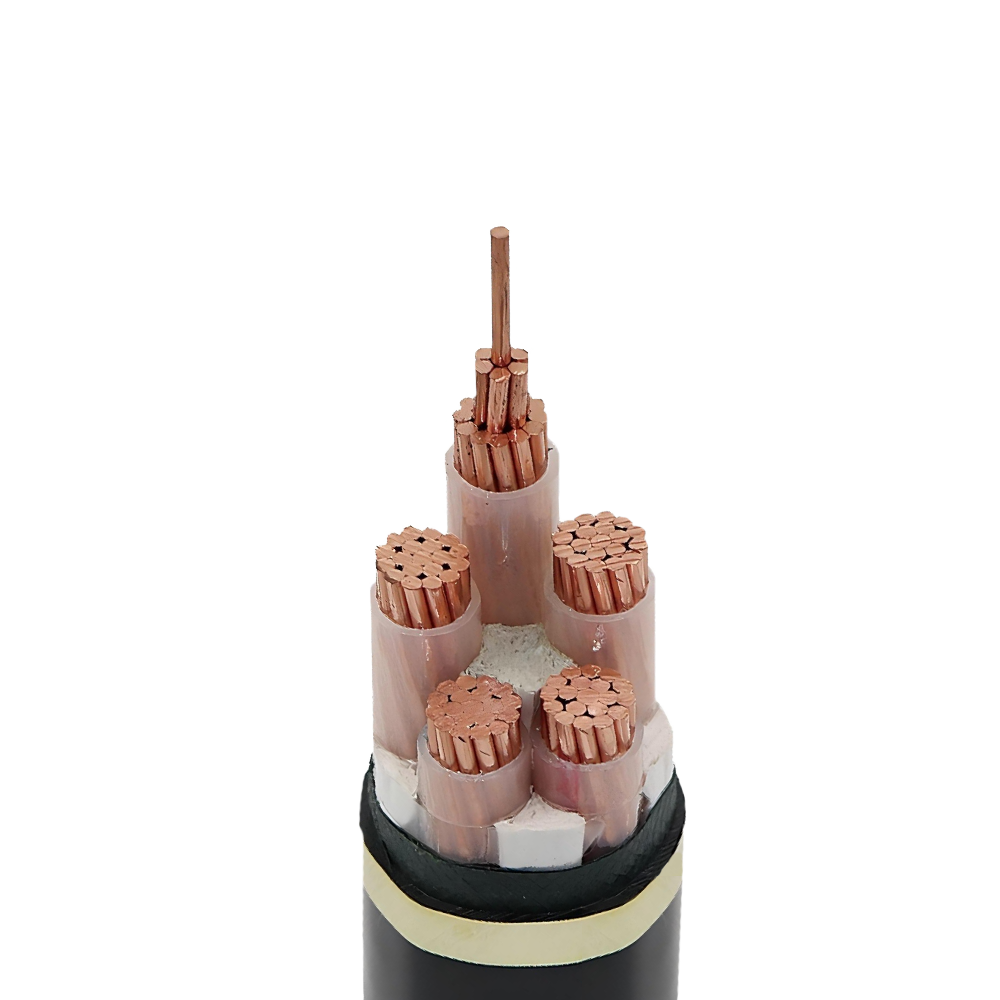
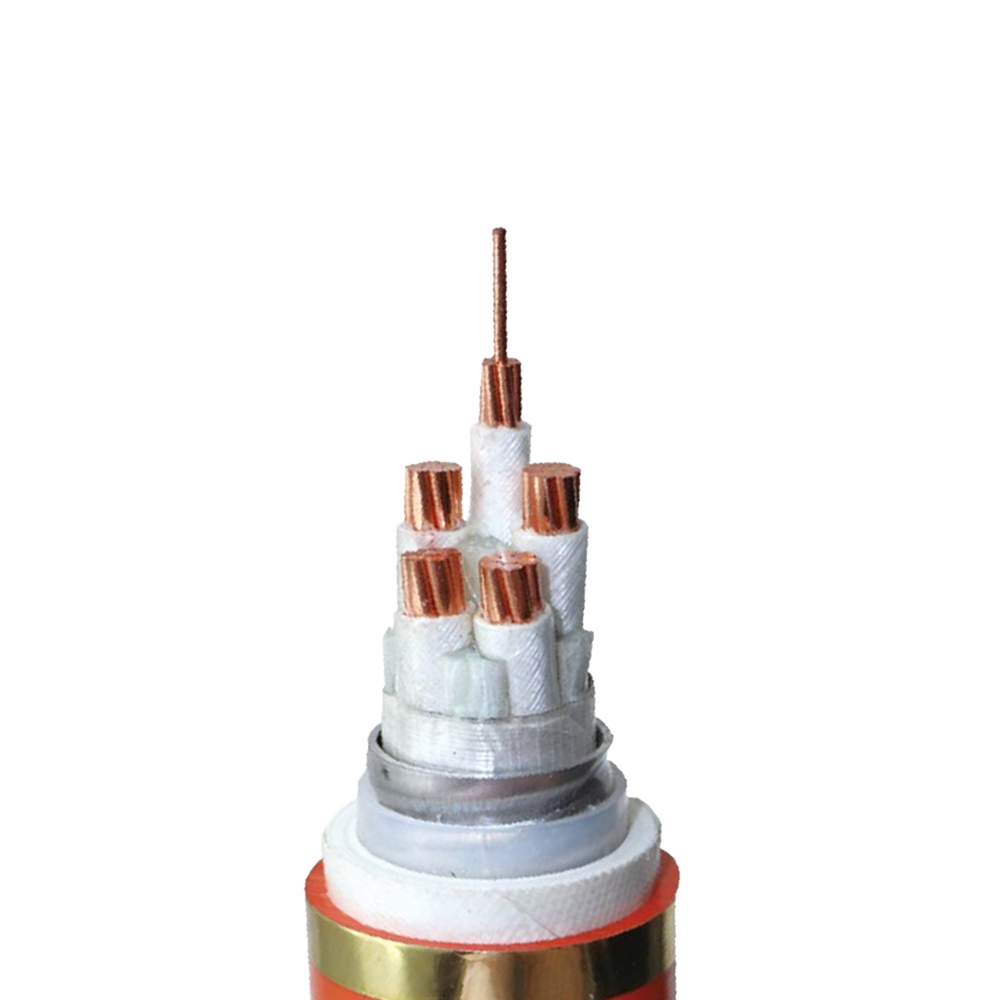
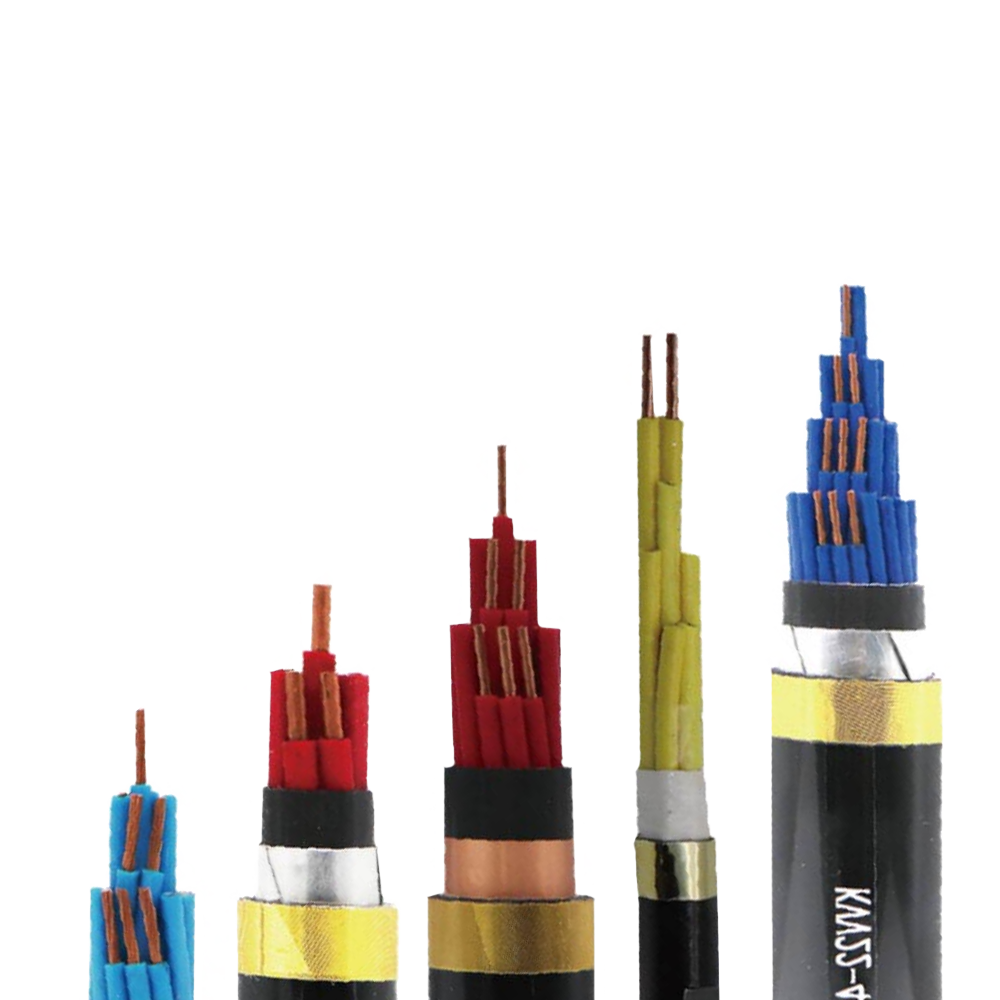
Medium voltage power cable
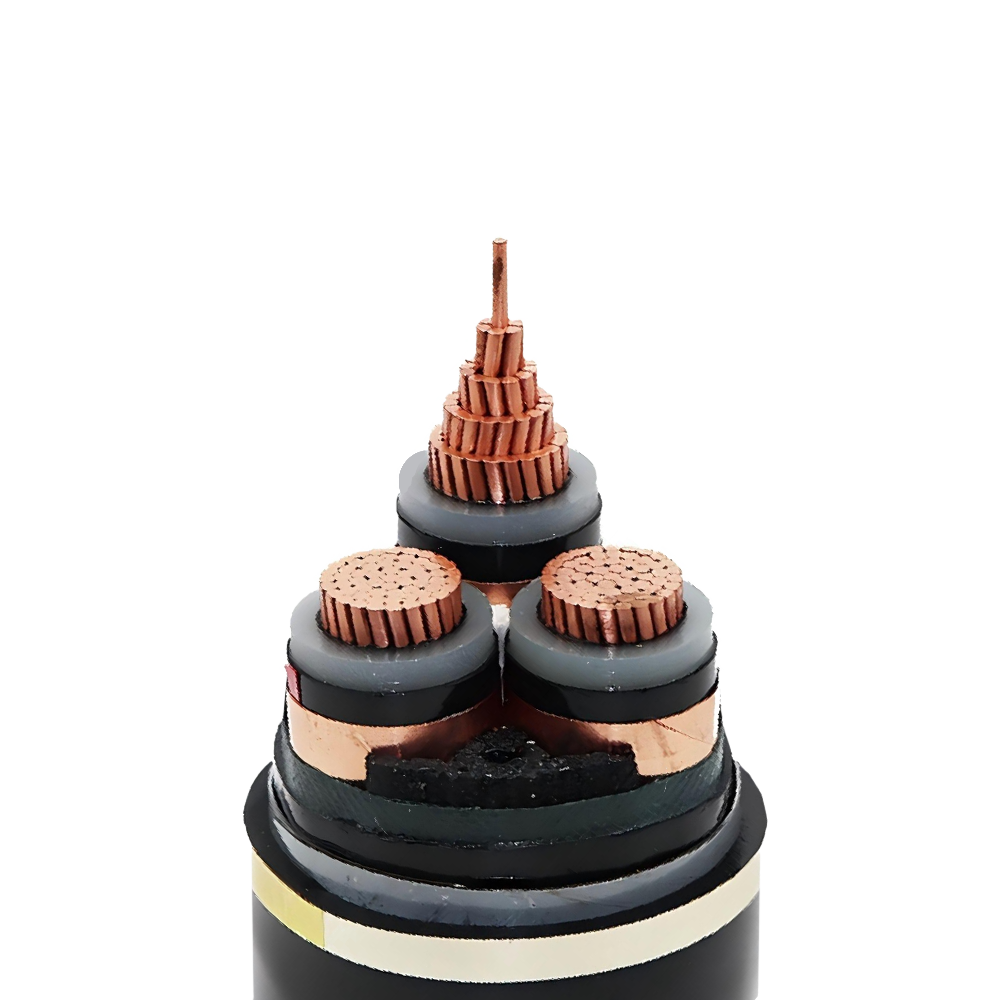
Medium voltage power cables are critical equipment in transmission and distribution systems, typically referring to cables with a rated voltage between 6 kV and 35 kV (according to IEC standards and Chinese national standard GB/T 12706). They are mainly used as distribution transformers to transport electrical energy from high-voltage substations to cities, industrial areas, large buildings, etc.
Core features and structure
Medium voltage cable is a multi-layer composite structure, which mainly includes:
1. Conductor: usually made of copper or aluminum, responsible for transmitting current.
2. Conductor shielding: A layer of semiconducting material ensures uniform electric field between the conductor and the insulation layer, avoiding partial discharge.
3. Insulation layer: The most critical part is usually made of cross-linked polyethylene, which has excellent electrical and heat resistance properties.
4. Insulation shielding: Another layer of semiconducting material works together with the conductor shielding to form an ideal cylindrical electric field.
5. Metal shielding: Copper tape or copper wire weaving provides a grounding path, protects the cable from external electromagnetic interference, and diverts short-circuit current in the event of a fault.
6. Outer sheath: made of materials such as PVC (polyvinyl chloride) or PE (polyethylene), providing mechanical protection, moisture resistance, corrosion resistance, etc.
In summary, medium voltage power cables are the "arteries" of modern urban and industrial power supply networks, and their reliability and safety are directly related to the stable operation of the power grid.