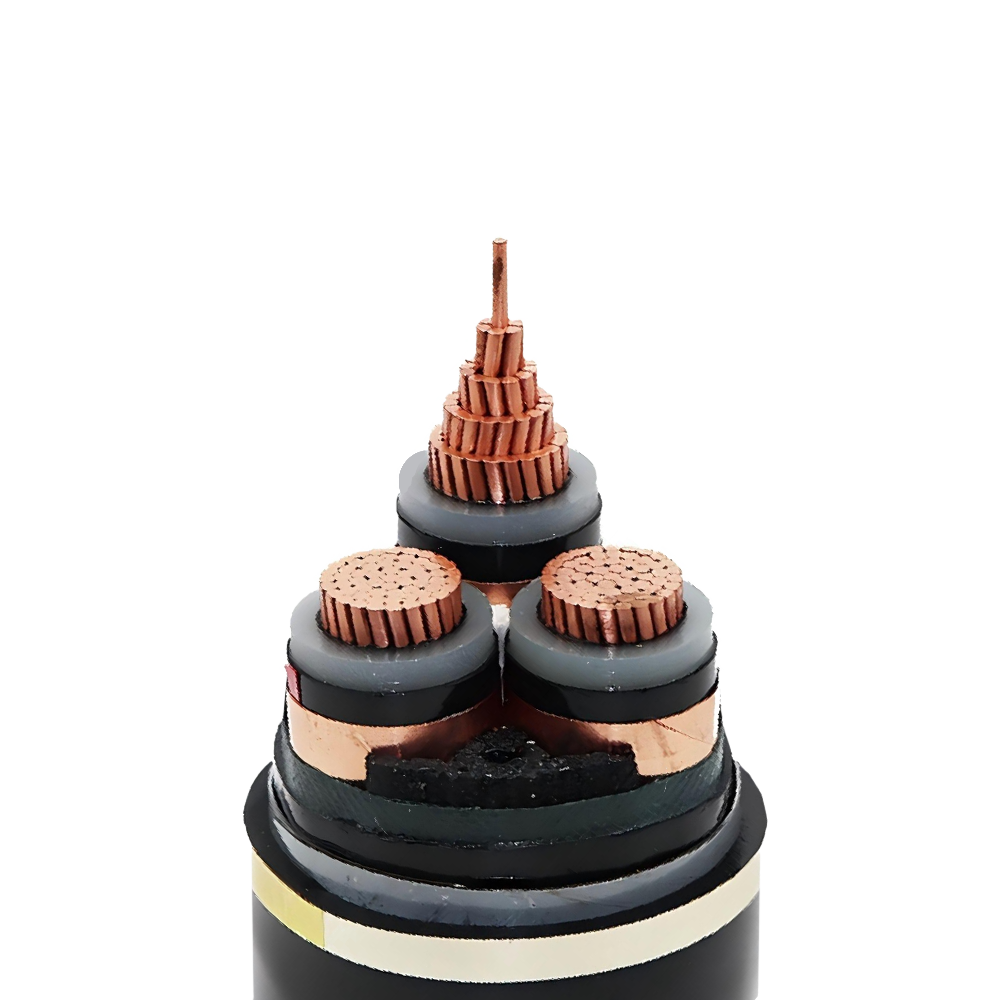
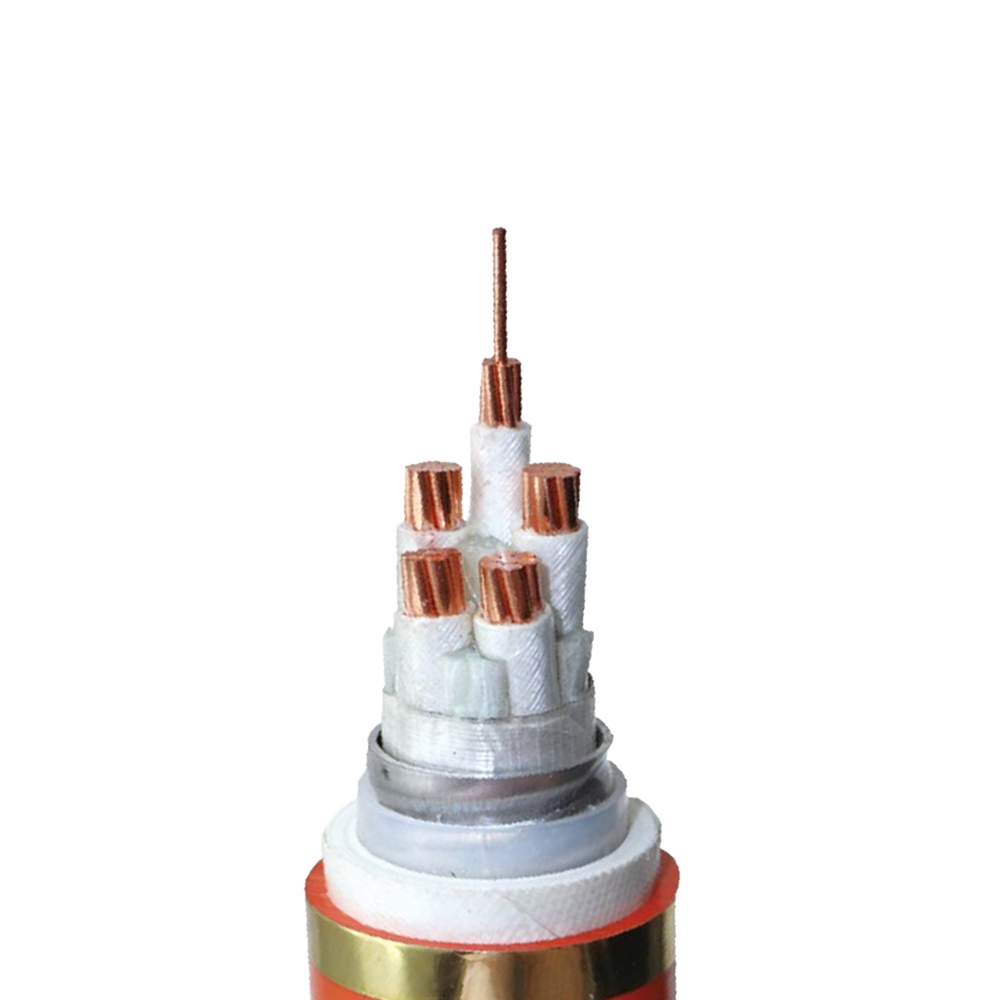
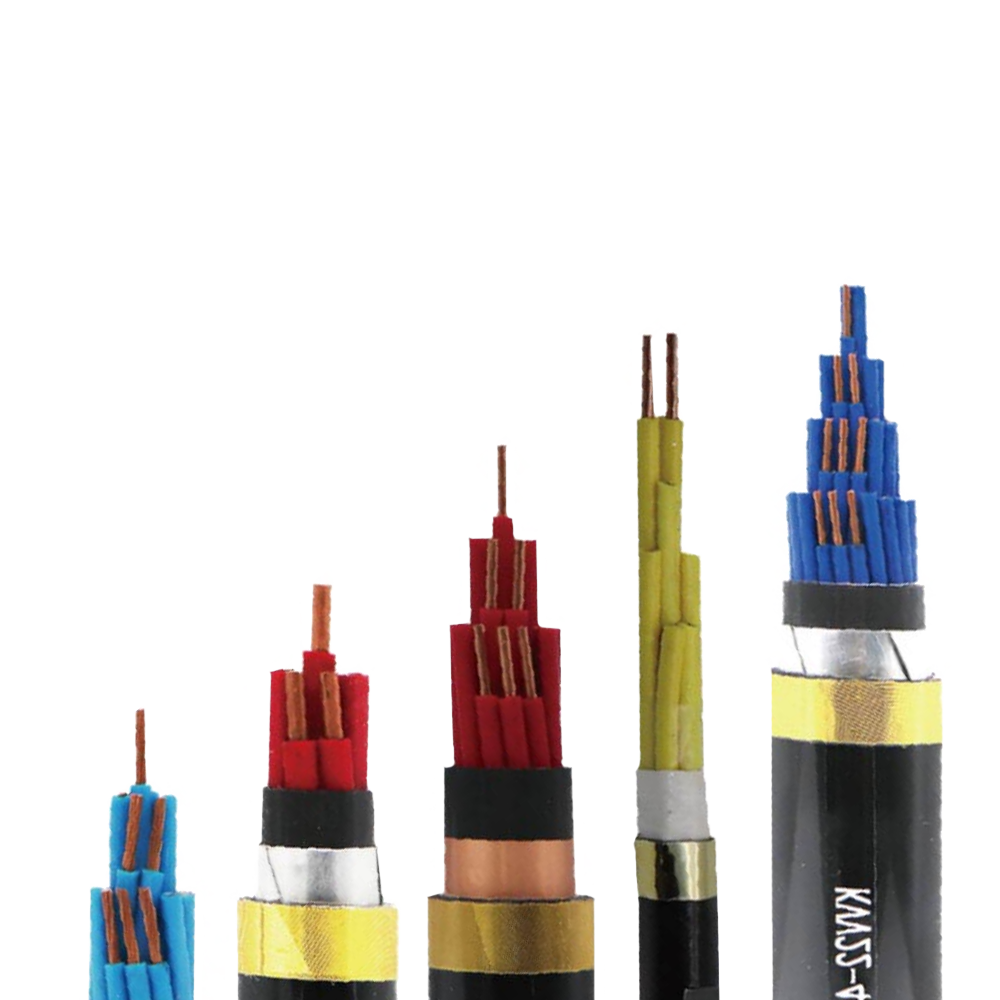
Low voltage power cable
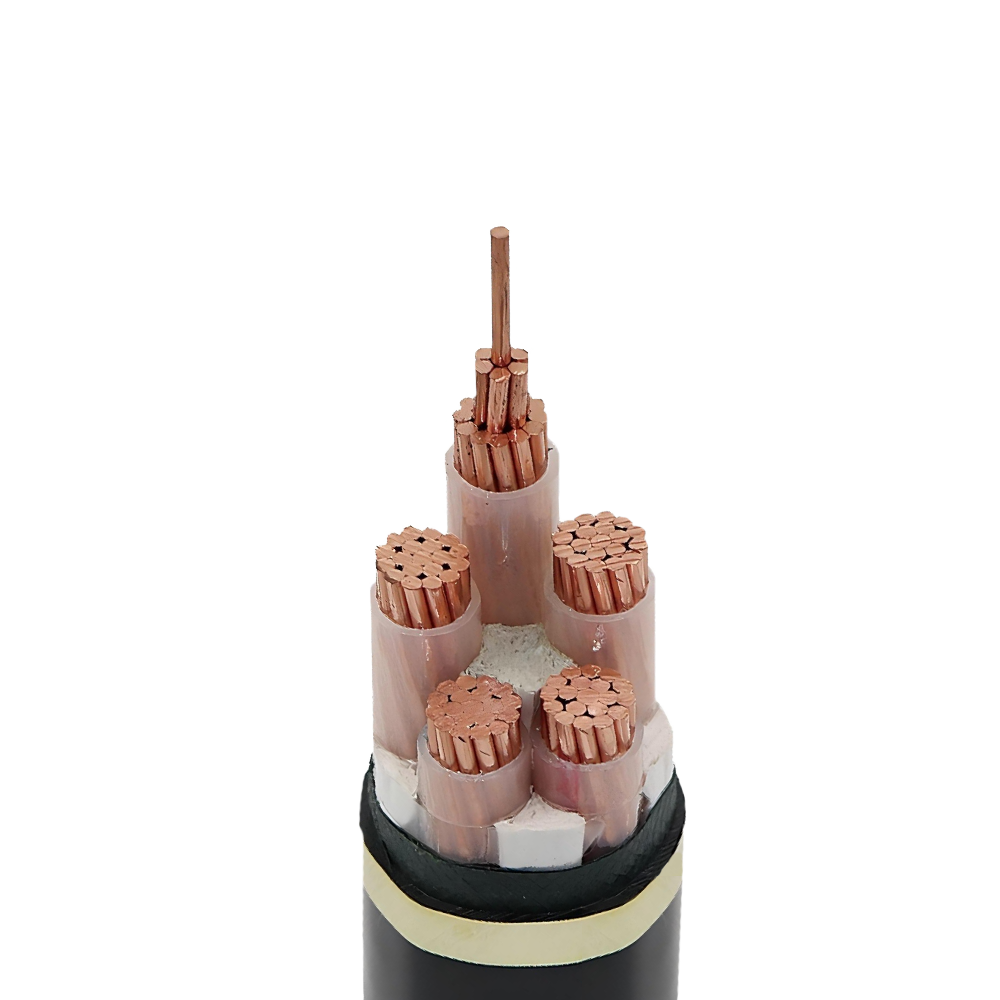
Low voltage power cables are the most widely used and closest type of cables to the user end in the power system.
Core Definition
Low voltage power cables typically refer to cables with a rated voltage of 1 kV or less (U ₀/U ≤ 1kV, such as 0.6/1kV). The term 'low voltage' here refers to the definition of the International Electrotechnical Commission (IEC) and Chinese national standards (such as GB/T 12706) relative to the medium and high voltage of the power system.
They are the carriers of electrical energy transmission from distribution transformers (such as those in residential areas and factories) to the final electrical equipment, directly delivering electricity to thousands of households and various electrical units.
Main features and structure
Compared with medium and high voltage cables, the structure of low voltage cables is relatively simple, with the core difference being the absence of complex shielding systems.
Typical structure (from inside to outside):
1. Conductor: Copper (with excellent conductivity) or aluminum (economical and lightweight), available in various specifications such as single core, multi-core (such as 2-core, 3-core, 4-core, 5-core), etc.
2. Insulation layer: wrapped around the conductor to ensure electrical insulation. Common materials include:
Polyvinyl chloride: with good mechanical properties, low cost, and the widest range of applications.
Cross linked polyethylene: with better heat resistance and electrical properties, it is used in applications with higher requirements.
Rubber: Excellent flexibility, suitable for mobile devices or situations with frequent bending.
3. Filler layer and tape: In multi-core cables, it is used to fix the wire core and make the cable look round.
4. Inner sheath: Sometimes present, used to protect the cable core.
5. Armor layer: Not necessary. When strong mechanical protection (anti pressure, anti rodent bite) is required, it should be installed, such as steel belt armor or steel wire armor.
6. Outer sheath: The outermost layer of protection provides overall mechanical protection, moisture resistance, corrosion resistance, flame retardancy, and other characteristics. The materials are mostly PVC or PE.
Main types
Divided by insulation/sheath materials:
VV/VLV series: PVC insulation, PVC sheath. The most common.
YJV/YJLV series: cross-linked polyethylene insulation, polyvinyl chloride sheath. Better performance is gradually becoming mainstream.
Rubber sheathed cable: such as YC series, soft and durable.
According to functional requirements:
Flame retardant cable: can prevent the spread of flames.
Fire resistant cable: capable of maintaining normal operation of the line for a certain period of time under flame combustion (used for firefighting and evacuation systems).
Halogen free low smoke cable: When burned, it has less smoke and no toxic gas, and is used in densely populated places such as subways, hospitals, and high-rise buildings.
Divided by the number of core wires:
Single core cable: used for single-phase or A/B/C phase separation laying.
Multi core cables: three-phase four wire (3 1 core, including neutral wire), three-phase five wire (4 1 core, including neutral wire and PE ground wire), etc., used for complete power supply circuits.
In summary, low-voltage power cables are the "last mile" of power transmission and the most common and indispensable electrical component in our daily production and life. The selection is mainly based on the current carrying capacity, laying environment, mechanical strength requirements, and special functional requirements (such as flame retardancy and fire resistance).